

VYTAUTAS MAGNUS UNIVERSITY (VMU)
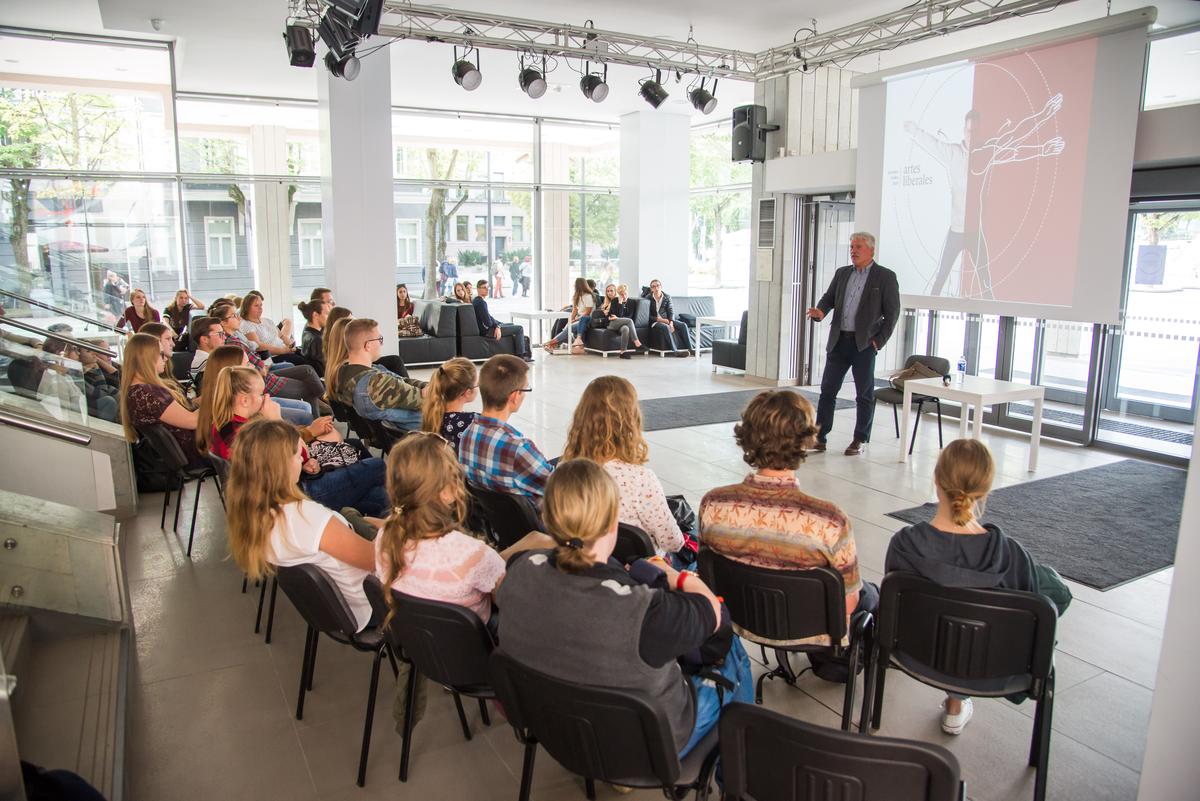
Established in 1922 and renamed in honour of the Lithuanian ruler Vytautas the Great, VMU is a public university in Kaunas with a strong commitment to liberal arts education. With its globally oriented, free-spirited approach, the university emphasises interdisciplinary learning, critical thinking and flexibility in study paths.
VMU offers a broad range of bachelor's, master's and doctoral programmes across humanities, social and natural sciences, pedagogy, technology, business and the arts. The campus and its surrounding city environment provide a lively, creative setting for both academic and personal development. Students benefit from modern research facilities, international collaborations and a culture that encourages curiosity and self-fulfilment.
VMU is well placed for those seeking to grow intellectually, socially and globally.
FIELDS OF STUDY
SOCIAL SCIENCES
Sociology, Social Work, Social Anthropology, Media & Communication, Political Studies & Diplomacy
LIFE AND AGRICULTURAL SCIENCES
Agronomy, Biology and Genetics, Biochemistry, Ecology, Environmental Sciences
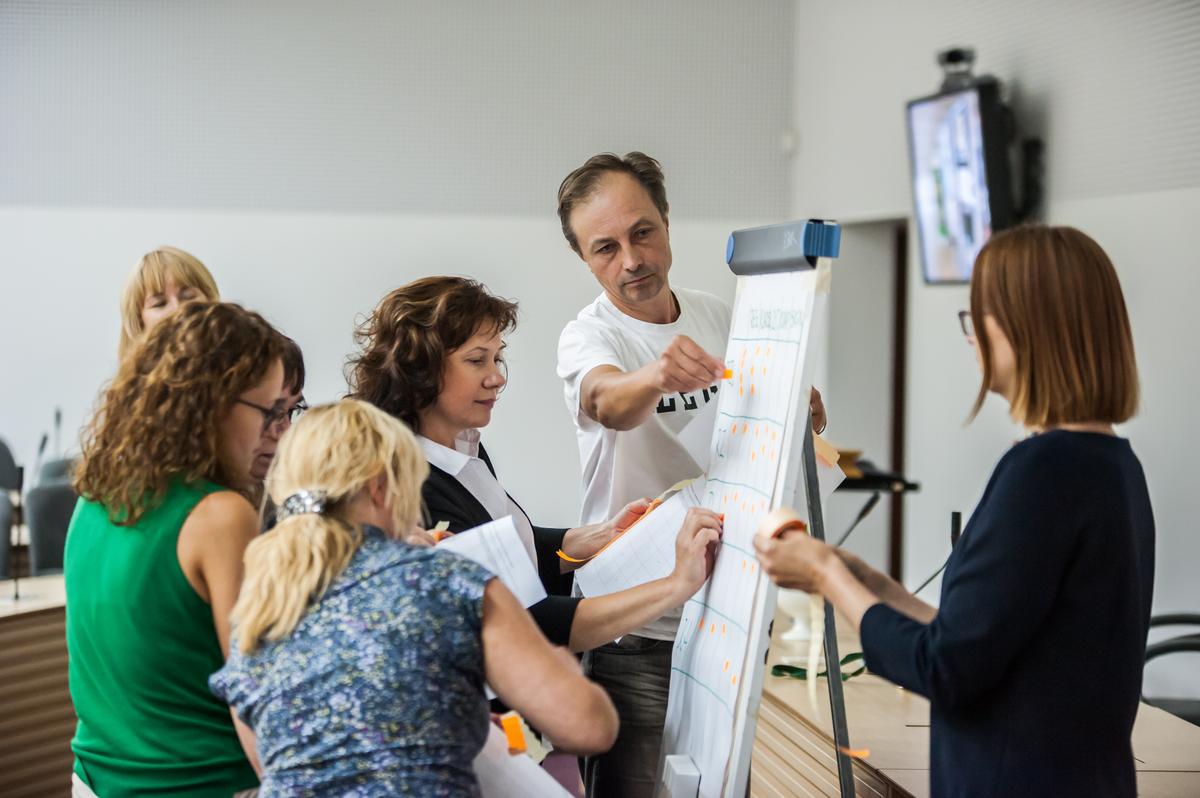
ECONOMICS, BUSINESS & PUBLIC MANAGEMENT
Accounting and Finance, Business Administration, Marketing, Logistics & Commerce, Bioeconomics, Customs Process Management, Sport Management, Educational Management
COMPUTER, ENGINEERING & TECHNOLOGICAL SCIENCES
Aquamatics, Biotechnology, Informatics Systems, Multimedia and Internet Technologies, Sustainable Engineering, Sustainable Energy

ARTS & MUSIC
Performing Arts (Singing, Conducting, Jazz and Classical instruments), Music Production
HUMANITIES & PEDAGOGY
Lithuanian, English, French, German & Italian Philology, Cultural Studies, Sociolinguistics and Multilingualism, Primary Education and Early Language Teaching
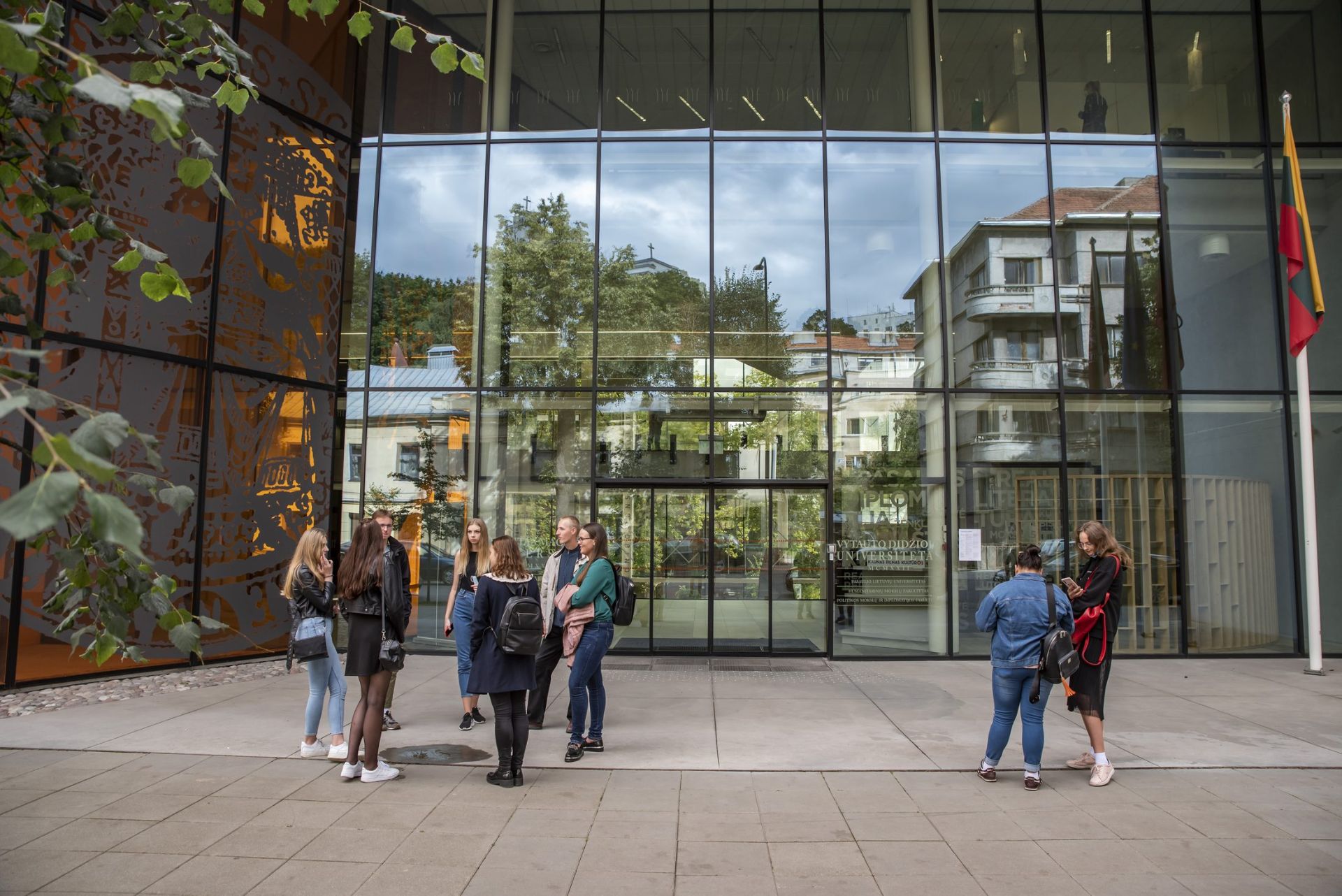
VMU CAMPUS OVERVIEW
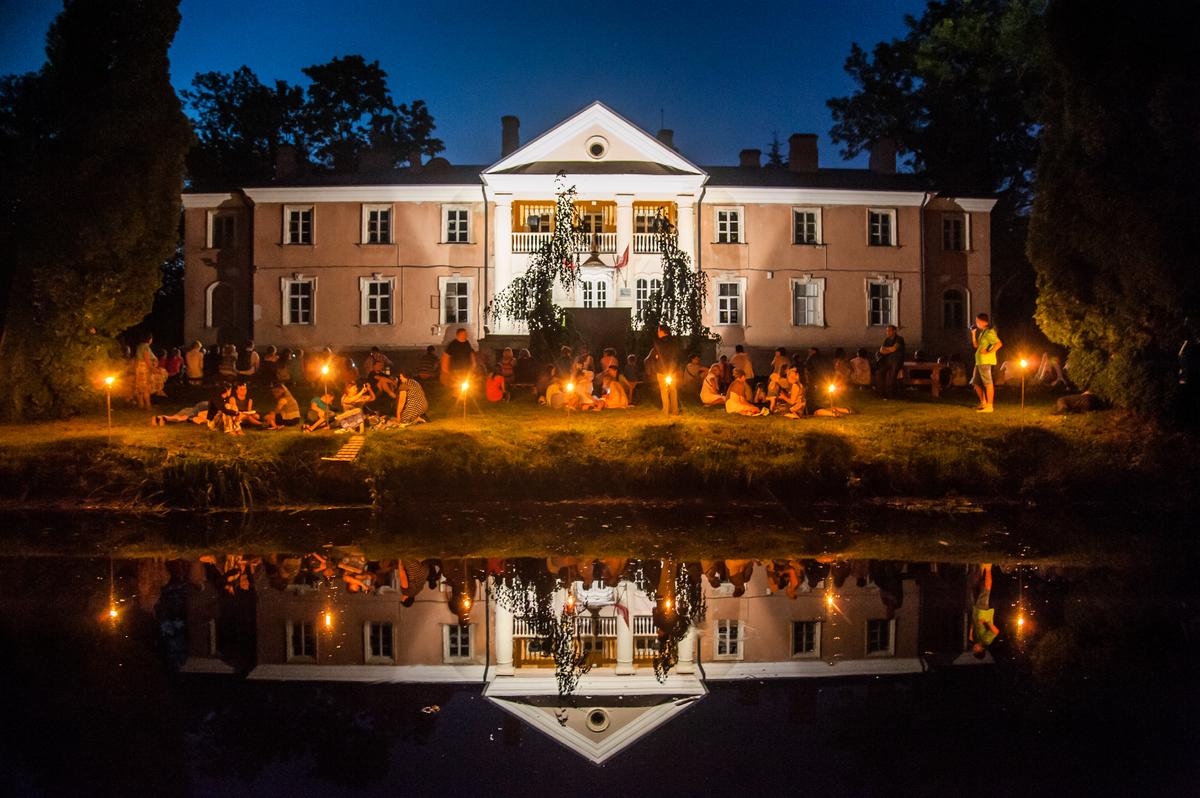
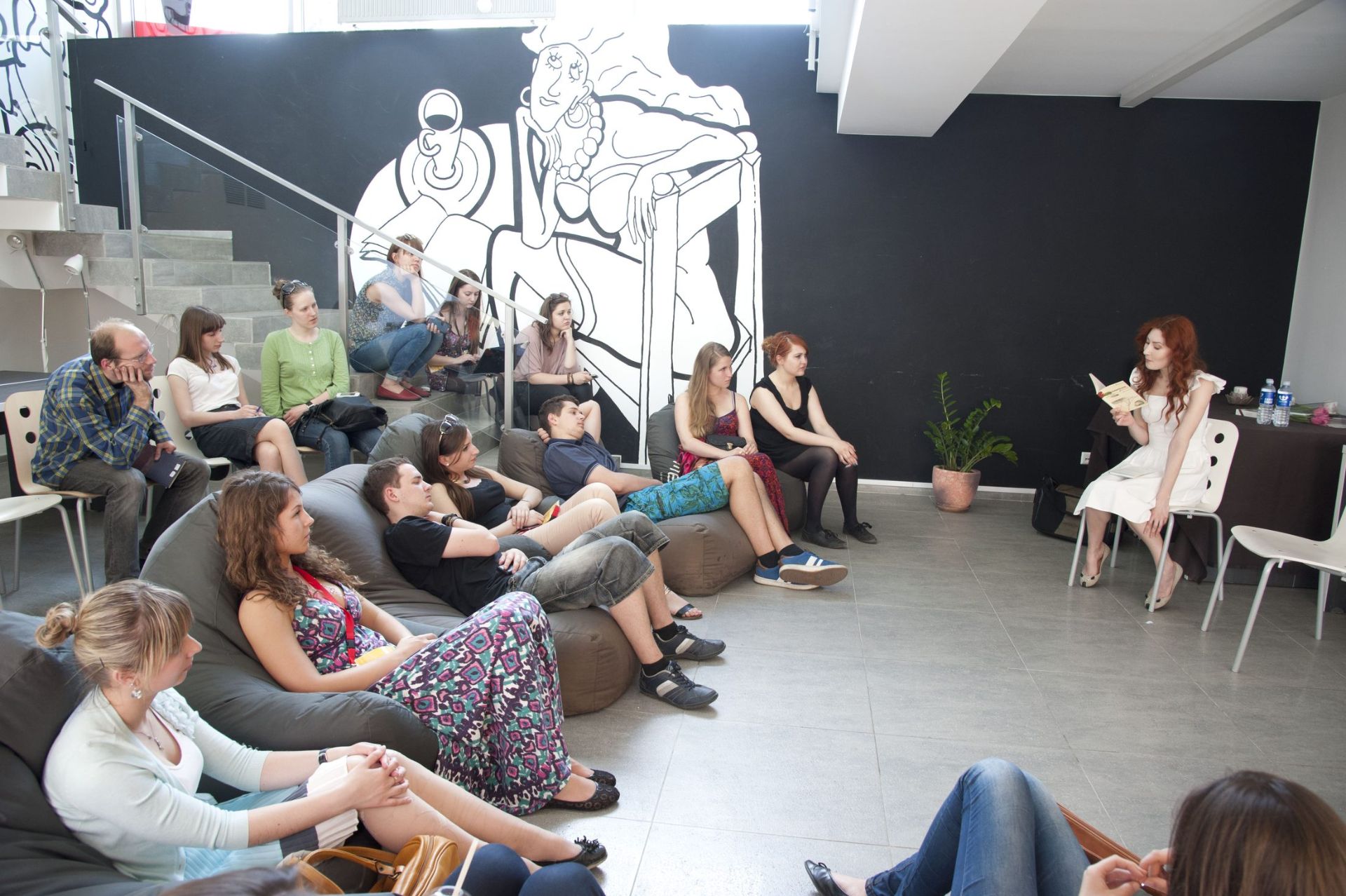
• Main campus located in the heart of Kaunas, closely integrated with the city’s cultural and historical centre, while the Akademija campus offers spacious facilities surrounded by nature.
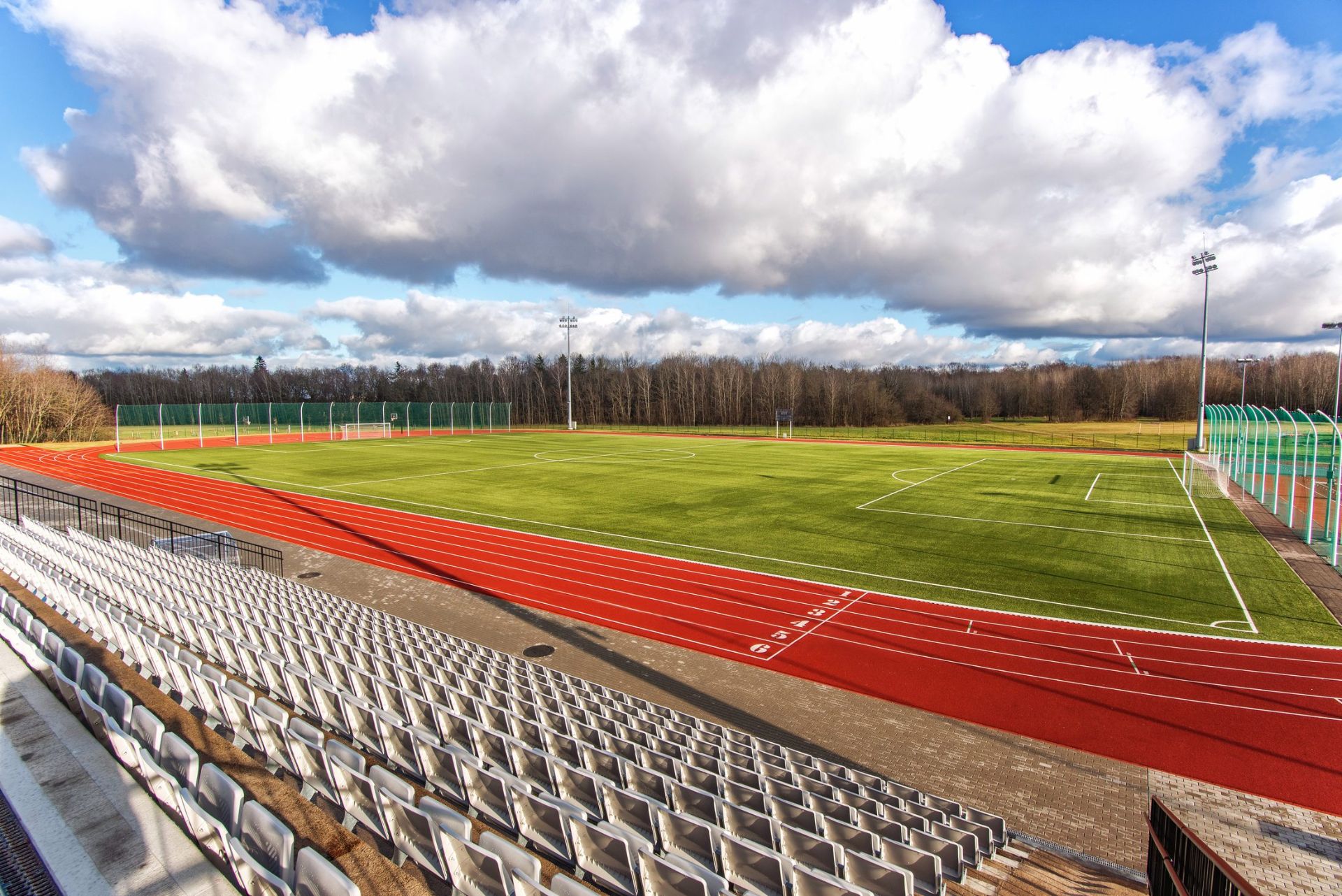
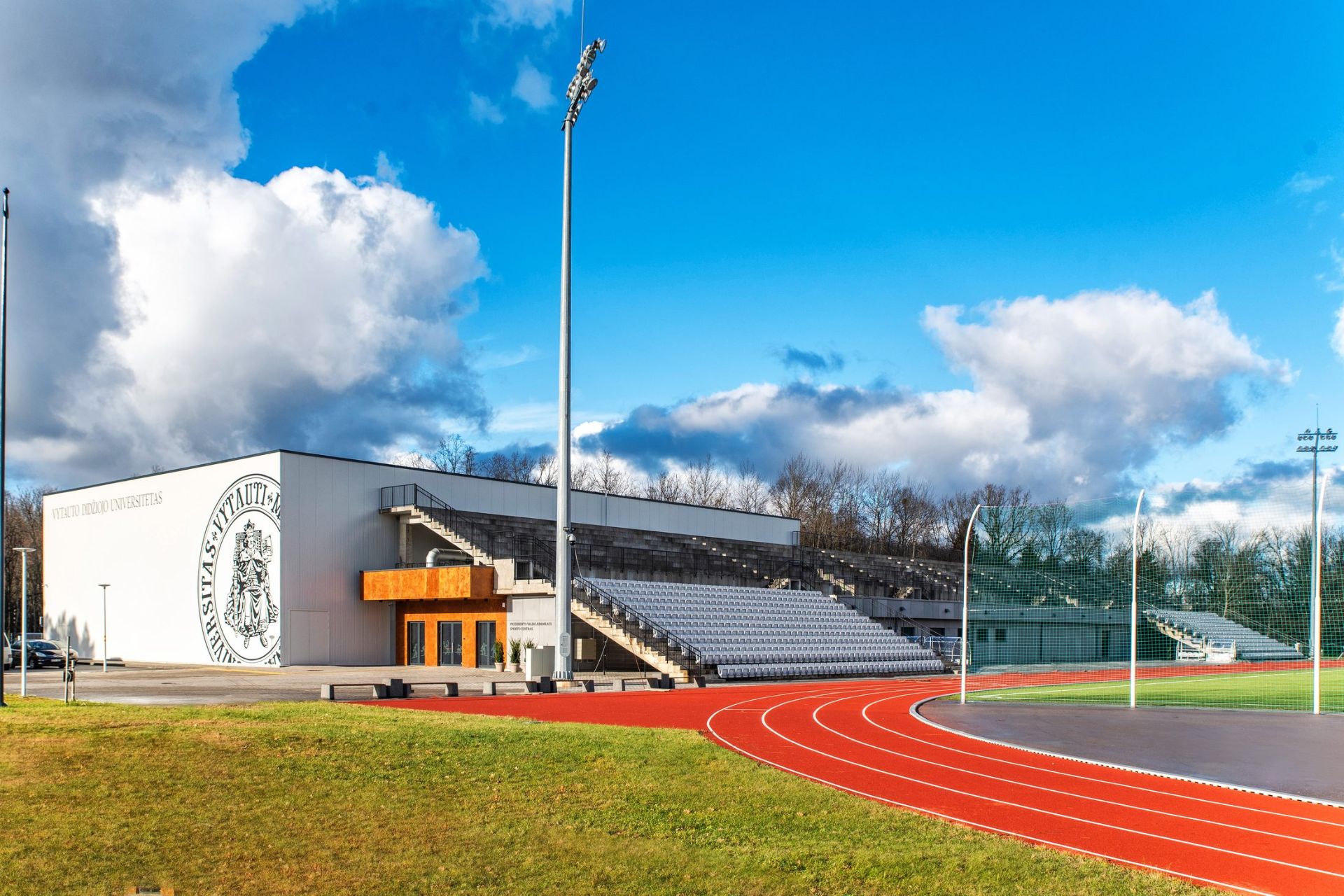
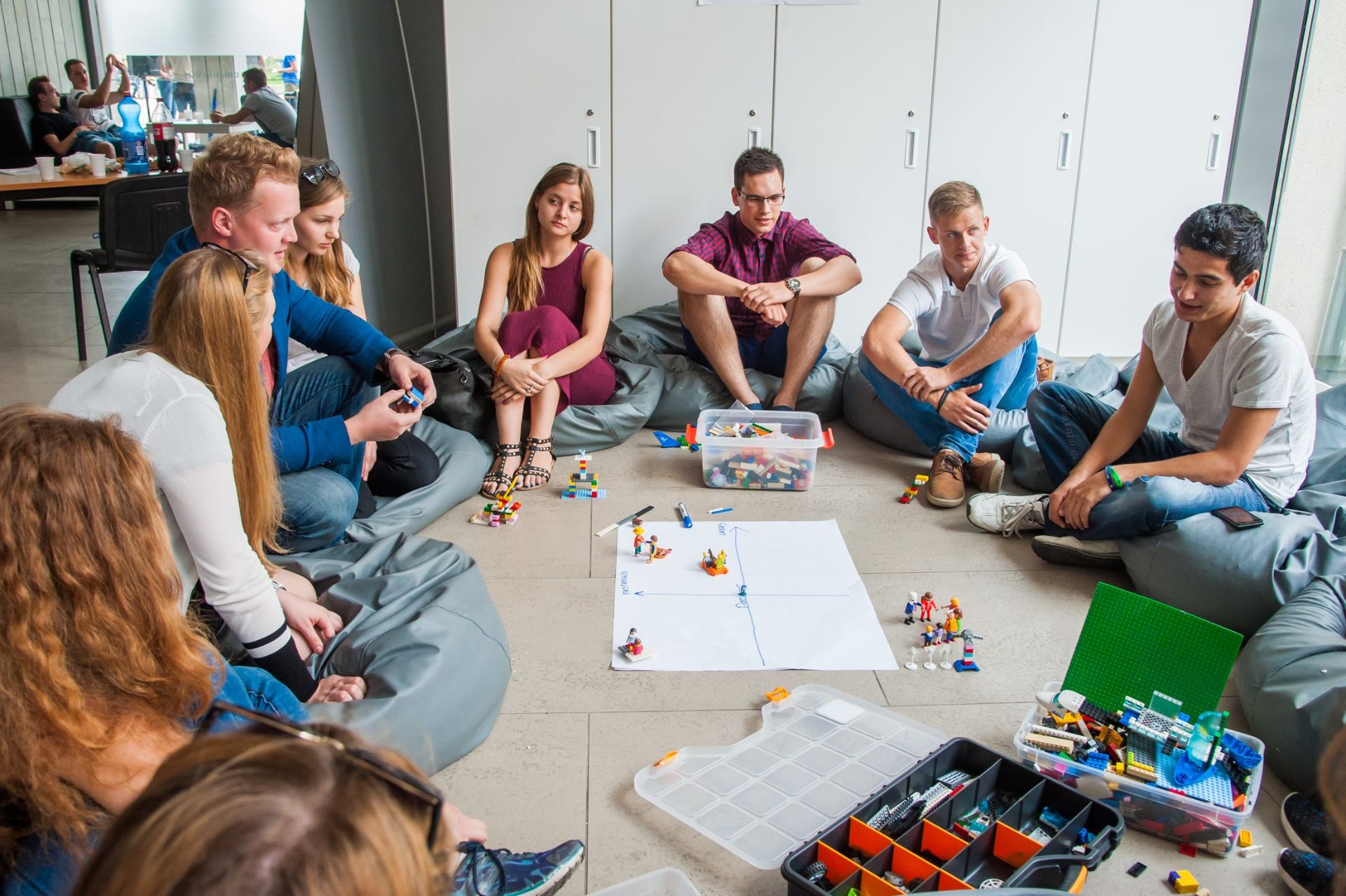
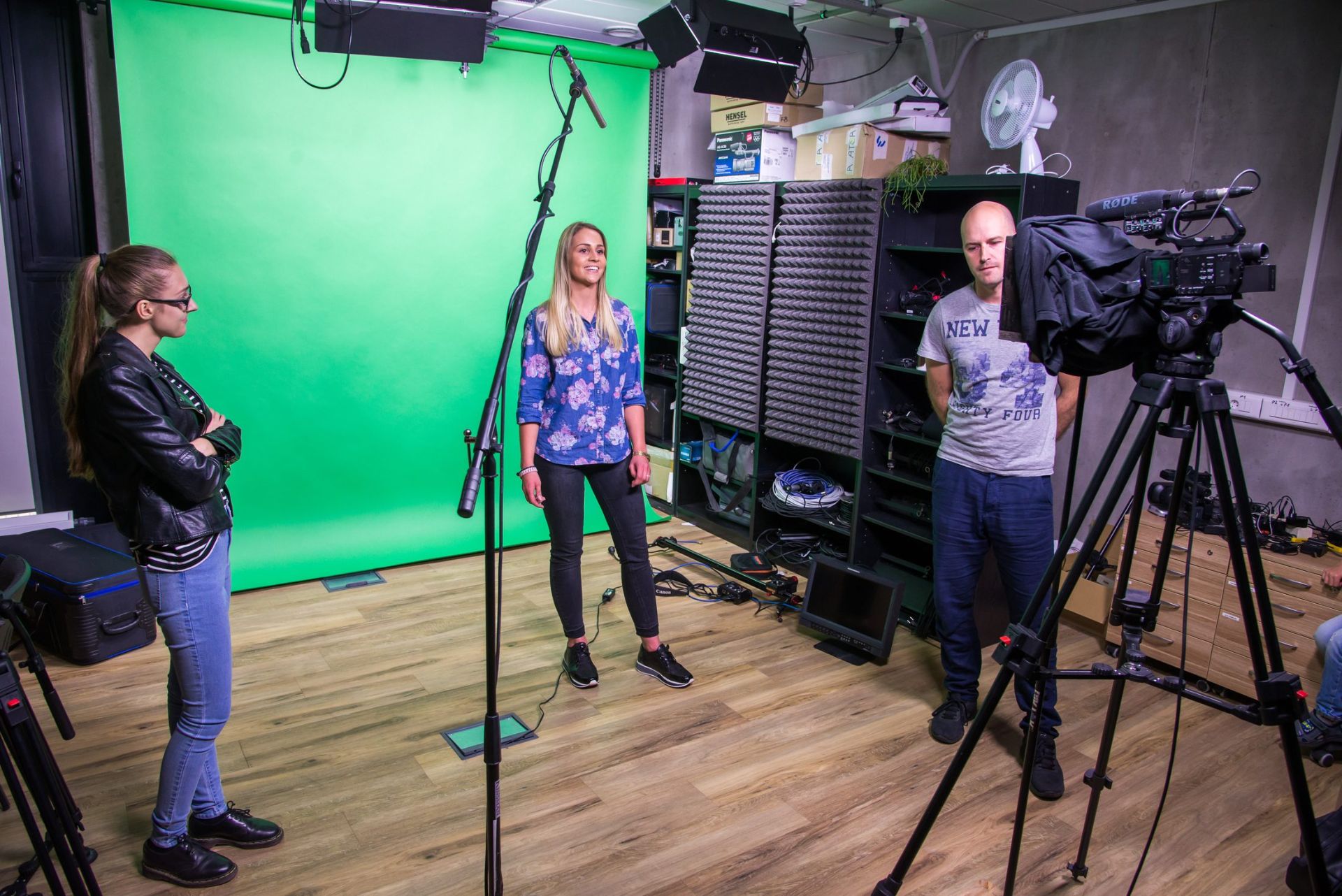
• Modern learning spaces include lecture halls, libraries, laboratories, an e-sports arena, and the largest university Sports Centre in Lithuania.
• Psychology Clinic and Student Well-being Centre support academic and personal growth.
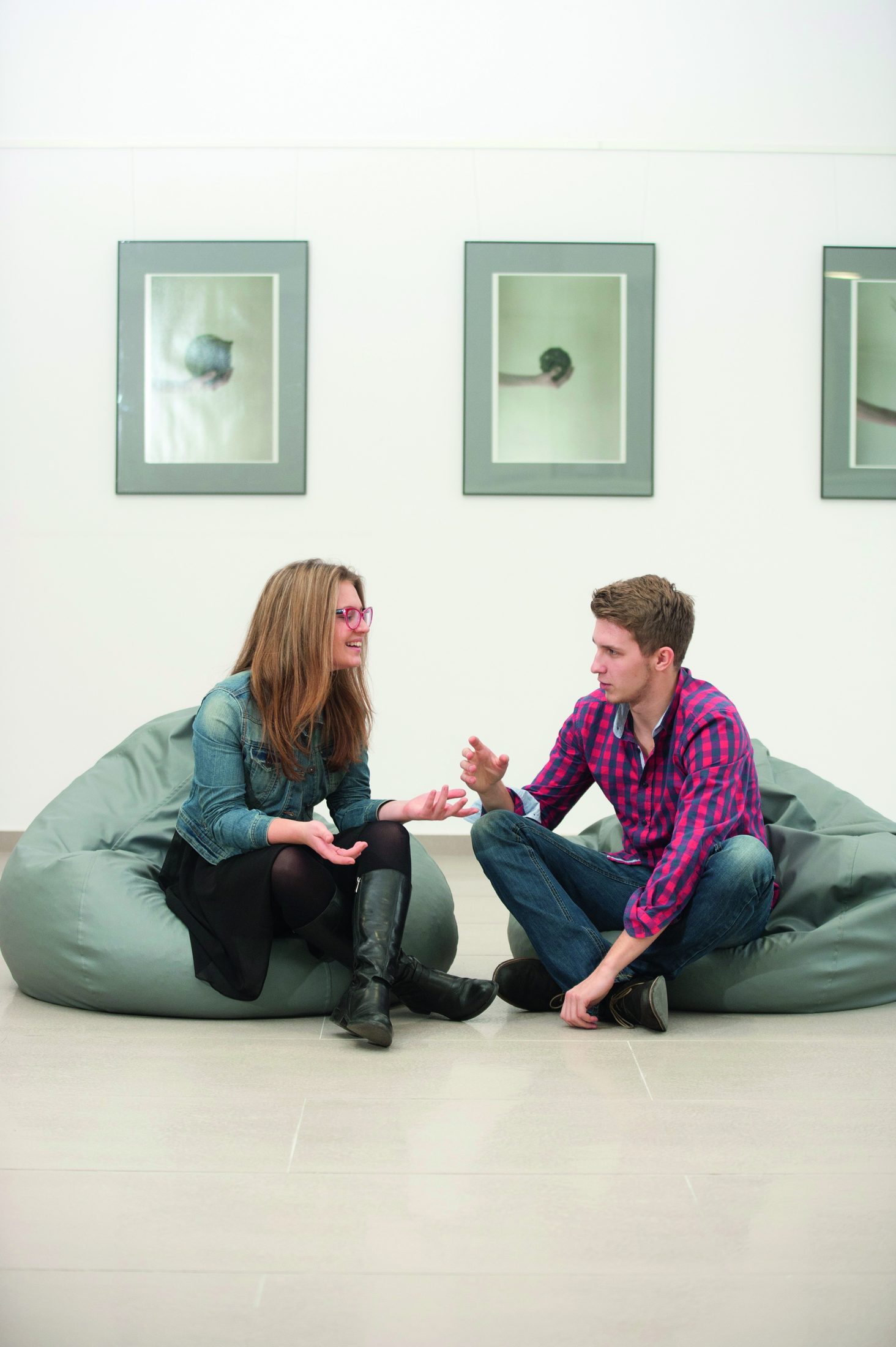
• A wide variety of student clubs, organisations, and cultural events create a friendly, inclusive community, encouraging collaboration and creativity both on and beyond campus.

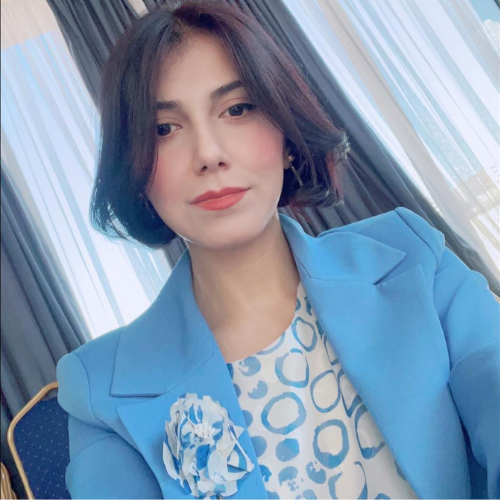
NARGIZ HAJIYEVA (Azerbaijan)
Political Science & Diplomacy, VMU

Nargiz studied Political Science and Diplomacy at Vytautas Magnus University (VMU), graduating in 2017. During her Master’s, she joined the European Academy of Diplomacy, studied abroad at Sciences Po Grenoble, and completed Erasmus+ internships at research centres across Europe.
Now a Ph.D. political scientist, Nargiz is Director of the Organisation of Scientific Activities Unit in Azerbaijan, chairs the Women Researchers’ Council, and leads a working group at the Swiss Political Science Association.
She highlights the power of scientific writing, networking, and collaboration in building an international career. Her advice: don’t limit yourself to traditional paths — political science opens many doors beyond diplomacy.
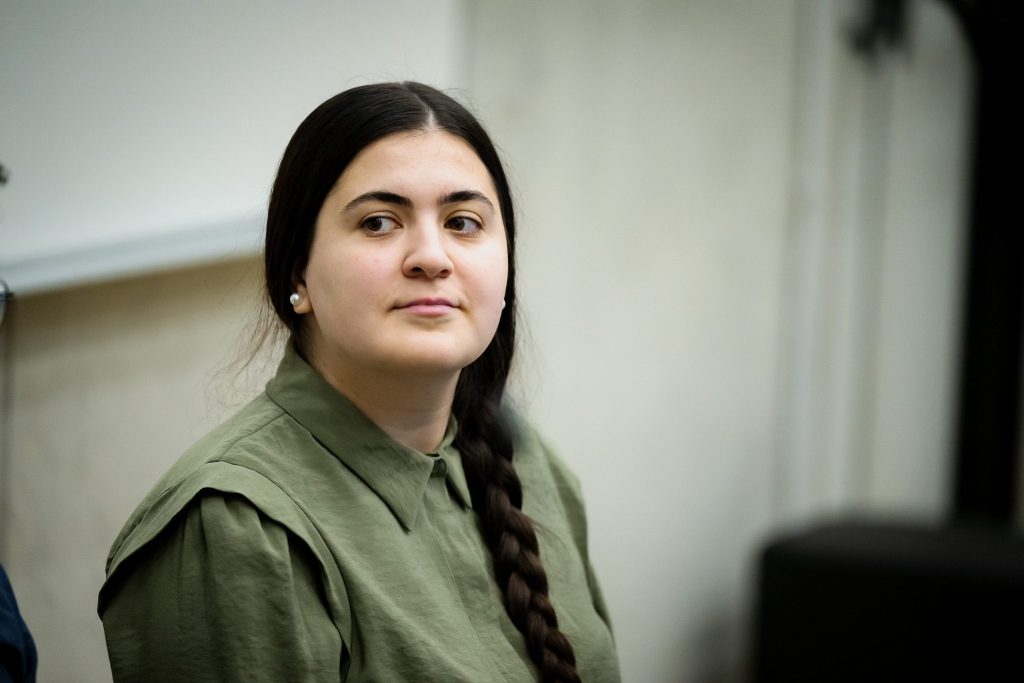
MAKA BERULAVA (Georgia)
International Politics & Development, VMU
Maka completed her Bachelor’s degree in International Politics and Development at Vytautas Magnus University (VMU) in 2023. During her studies, she actively engaged in volunteering, internships, and Erasmus exchanges, which helped her build valuable experience and networks.
She is now pursuing a Master’s degree in Russian and Post-Soviet Politics at University College London (UCL), continuing her academic journey at one of the world’s leading universities.
Maka encourages students to seize opportunities early — from improving language and academic skills to gaining hands-on experience and preparing for future research. For those considering a Ph.D., she stresses the importance of strong applications, networking, and clear research proposals. Her advice: treat your undergraduate years as a foundation for a bigger academic and professional path.